


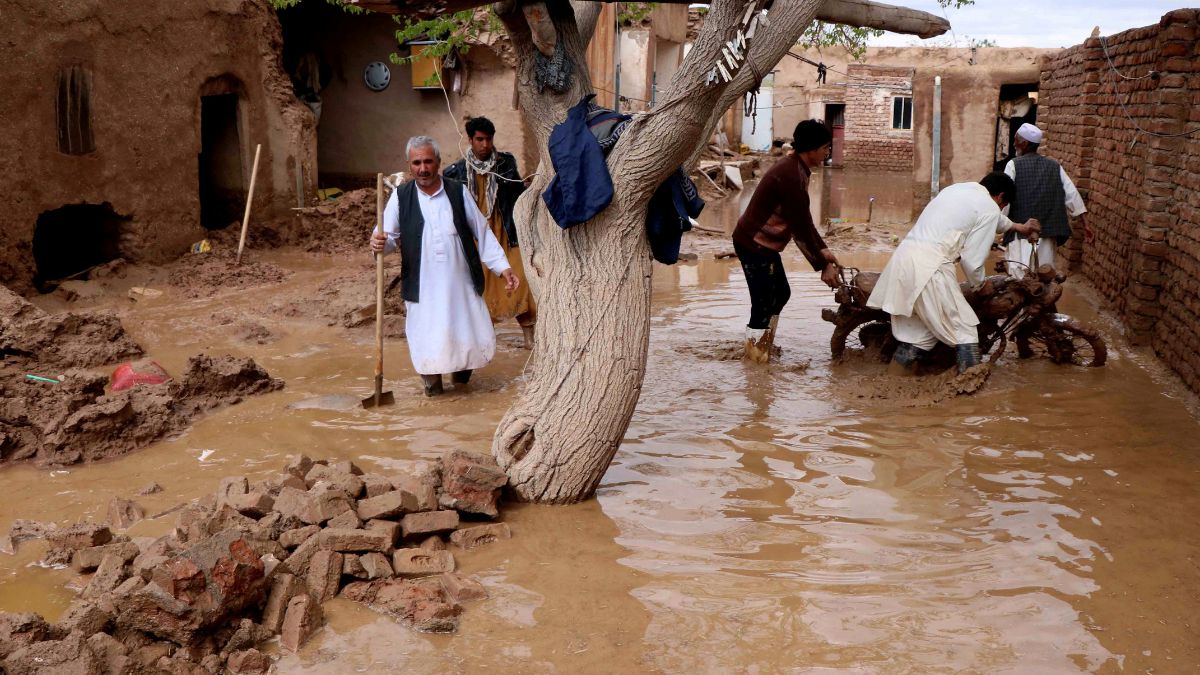
Torrential rains have triggered destructive flash floods in northern Afghanistan, leading to a tragic toll of 315 lives lost and over 1,600 people injured, authorities reported on Sunday. Villagers mourned their loved ones while aid agencies raised concerns about the escalating devastation caused by the floods.
The Taliban-controlled refugee ministry confirmed extensive damage to thousands of homes and significant livestock losses. Aid organizations highlighted the dire impact on healthcare facilities and critical infrastructure, including water supply, as streets lay submerged in mud. “We have nothing left—no food, no clean water, no shelter, no blankets—floods have wiped out everything,” lamented Muhammad Yahqoob, who lost 13 family members, including children, in Baghlan province’s Nahrin district. He described the survivors’ plight, with only a couple of houses left standing out of 42 in the valley.

Din Mohammad Hanif, the Taliban’s economy minister, issued an appeal for support from the United Nations, humanitarian agencies, and private enterprises to aid those affected by the floods. Arshad Malik, Save the Children’s Afghanistan director, emphasized the gravity of the situation, stating, “Lives and livelihoods have been washed away.” He estimated that 310,000 children in the hardest-hit districts had lost everything.
The latest death and injury figures were reported by the refugee ministry’s Baghlan provincial office. The interior ministry had initially reported 153 deaths from Friday’s floods but cautioned that the toll could rise. Afghanistan, classified by the United Nations as one of the countries most vulnerable to climate change, faces frequent natural disasters. The crisis has been compounded by a reduction in aid following the Taliban’s takeover in 2021, as development assistance, which previously supported government finances, dwindled. In recent years, the situation has worsened as foreign governments grapple with competing global issues and increasing criticism of the Taliban’s restrictions on Afghan women.
As rescue and relief efforts continue, humanitarian organizations are mobilizing resources to provide essential aid to those affected by the floods. However, challenges persist, including access limitations and logistical hurdles in reaching remote areas cut off by the deluge. The floods have exacerbated an already precarious situation in Afghanistan, where ongoing conflict and political instability have left communities vulnerable to the impact of natural disasters.
International assistance is crucial in addressing the immediate needs of flood-affected populations and supporting long-term recovery efforts. Efforts are underway to coordinate relief operations and deliver emergency aid, including food, clean water, shelter, and medical supplies, to those in need. Despite the challenges, there is hope that solidarity and cooperation among aid agencies, governments, and humanitarian actors will alleviate the suffering of flood-affected communities and help rebuild their lives.


